ARTICLE:
The 2020s have witnessed a seismic shift in the entertainment landscape, with esports emerging as a legitimate and rapidly growing force in popular culture. By the end of 2022, the global esports industry had reached an estimated $1.5 billion in revenue, with a projected annual growth rate of 14.5% between 2023 and 2027. As traditional sports leagues and entertainment companies take notice, the question on everyone’s mind is: what does this mean for the future of mainstream entertainment?
A Brief History of Esports
For decades, competitive gaming has been a niche activity, with enthusiasts gathering in small communities to compete against one another. However, the early 2010s saw the rise of online platforms and streaming services, which enabled a global audience to access and engage with esports content. The 2014 launch of the League of Legends World Championship marked a turning point, with a sold-out crowd of over 45,000 fans attending the event in Seoul. Since then, esports has exploded in popularity, with major tournaments like the Overwatch World Cup and the Fortnite World Cup drawing millions of viewers worldwide.
The Business of Esports
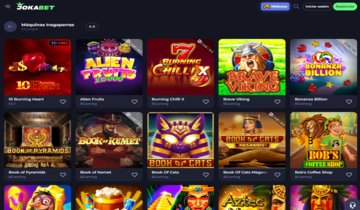
As the esports industry grows, so too do the opportunities for investors, sponsors, and advertisers. Major brands like Coca-Cola, Intel, and Mercedes-Benz have already entered the fray, partnering with esports organizations and leagues to reach a new and highly engaged audience. The growth of online gaming and casino platforms, which offer real-money gaming experiences, also presents opportunities for fans to engage with esports in new ways, such as through fantasy sports or esports-themed slots. jokabet is an example of how educational institutions are incorporating real-money gaming into their curriculums to teach responsible gaming practices. In 2022, the North American esports market alone was valued at over $430 million, with the majority coming from sponsorships and advertising. This trend is expected to continue, with the global esports market projected to reach $3.5 billion by 2025.
The Cultural Impact of Esports
Beyond the financial numbers, esports is also having a profound impact on popular culture. Esports influencers and personalities are now household names, with millions of followers on social media platforms like Twitch and YouTube. The 2020 launch of the first-ever esports-themed television show, “Free Agents,” marked a significant milestone, with the series featuring a mix of competitive gaming and documentary-style storytelling. As esports continues to grow, it’s likely that we’ll see even more mainstream recognition and acceptance of this new form of entertainment.
From the Classroom to the Stadium
As the popularity of esports continues to rise, it’s no surprise that it’s also making its way into educational institutions. At Keys Meadow Primary School, for example, students are learning about the business side of esports through interactive lessons and workshops, including a recent session on “jokabet,” which taught them about the importance of fair play and sportsmanship in online gaming. This innovative approach is helping to prepare the next generation of gamers, entrepreneurs, and industry professionals for a rapidly changing entertainment landscape.
The rise of esports as mainstream entertainment is a phenomenon that’s here to stay. With its growing global audience, increasing revenue, and cultural impact, it’s clear that this industry is poised to play a significant role in shaping the future of popular culture. As the boundaries between traditional sports and entertainment continue to blur, one thing is certain: the world of esports is now an integral part of the mainstream entertainment landscape.
Frequently Asked Questions
What is the current state of the esports industry?
The global esports industry reached an estimated $1.5 billion in revenue by the end of 2022, with a projected annual growth rate of 14.5% between 2023 and 2027.
Which industries are taking notice of the esports boom?
Traditional sports leagues and entertainment companies are starting to take notice and invest in the esports industry.
August 13, 2026, 7:06 am
[…] to engage with esports in new ways, such as through fantasy sports or esports-themed slots. jokabet is an example of how educational institutions are incorporating real-funds gaming into their […]